
TLDR
Late May through June and September through mid October are the Cannes sweet spots: warm weather, swimmable sea, manageable crowds and 30 to 40 percent lower hotel rates than peak July and August. Avoid the Film Festival fortnight in mid May unless you are attending. This month by month guide covers what to expect.
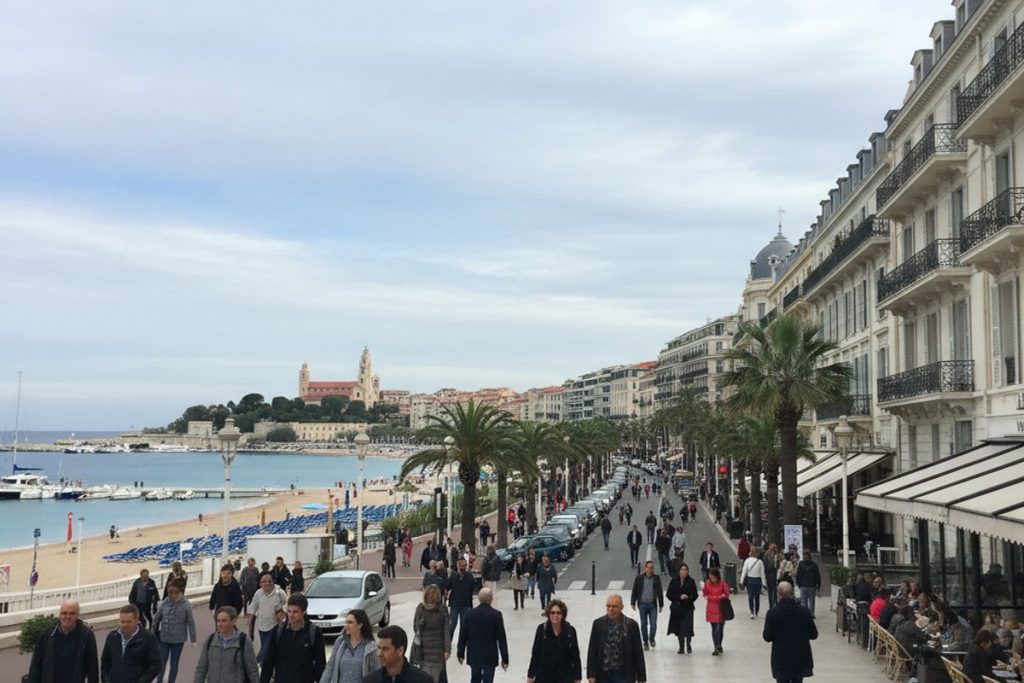
Cannes has four distinct seasons, a Mediterranean climate and a calendar punctuated by a handful of major events that completely change the city. Picking the right week to visit is worth more than picking the right hotel, because weather and crowd conditions set the character of your trip.
This guide walks through each month with honest temperature ranges, sea temperatures, crowd levels, hotel rate patterns and the events that matter. The goal is to let you pick a window that matches the kind of trip you want.
Insider Tip
The second or third week of September is the strongest week of the year for a first Cannes visit. Daytime sits at 25 to 27 Celsius, sea temperatures are still 23 to 25, the summer crowds have thinned, hotel rates drop 25 to 35 percent from August peak, and restaurant terraces are bookable on the day.
Planning your stay? Check current rates at Hôtel Anna Livia, a convenient base for Cannes City-Centre.
Winter: November to February
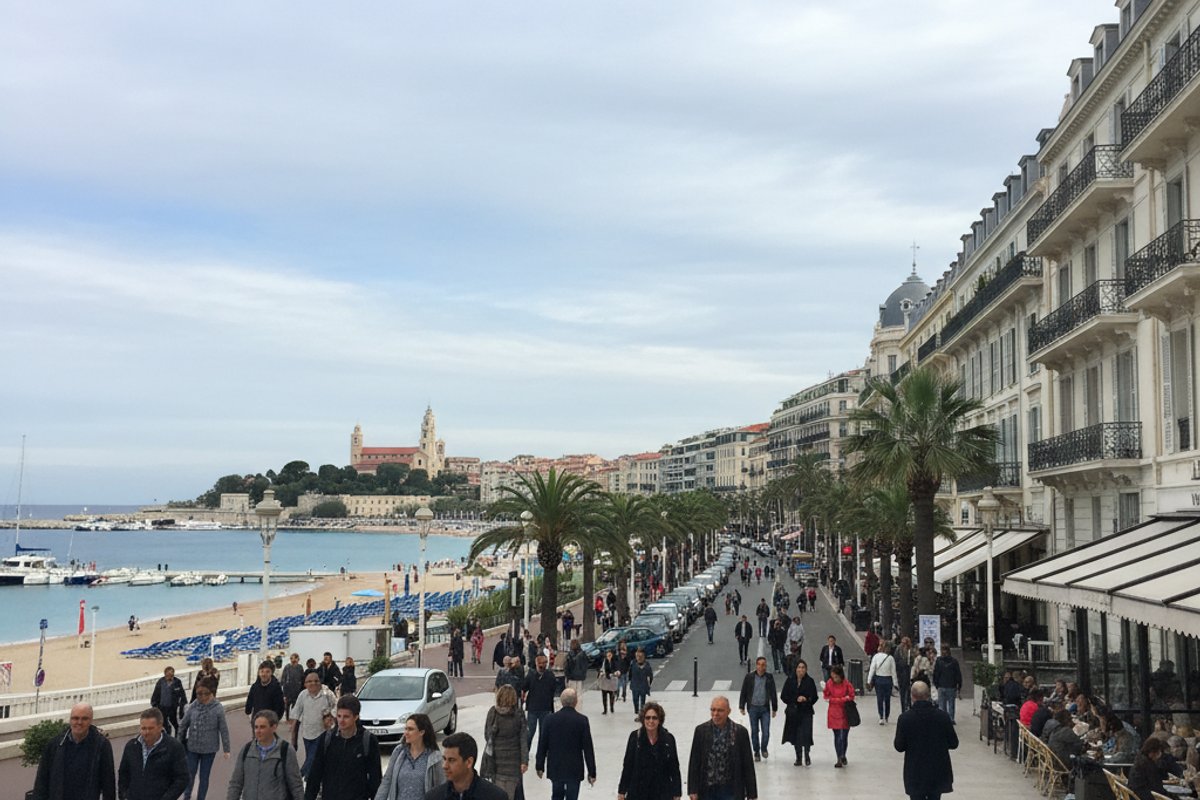
Cannes winter is mild by European standards with daytime highs of 13 to 16 Celsius and overnight lows of 5 to 9. January is the coldest month. Rain is concentrated in November and occasional in December and January, with the rest of the winter typically dry and sunny with crisp Riviera light.
Crowd levels are low, hotel rates sit 30 to 45 percent below peak and most restaurants are fully open through the holiday season. The Cannes Christmas market runs at Allee de la Liberte through December with a skating rink and food stalls. New Year’s Eve fireworks off the Jetee Albert Edouard are worth the cold.
Sea temperatures are 13 to 15 Celsius so swimming is off the menu for most visitors, though you will see a few hardy locals at Plage Macé year round. Winter works well for a cultural trip focused on the old town, museums, day trips to Grasse and Mougins and long restaurant lunches.
Early Spring: March to Early May
March is still cool (15 to 18 Celsius by day, 8 to 10 at night) but noticeably brighter with more settled weather and the first terrace days of the year by month end. April climbs into a proper spring at 17 to 20 Celsius with longer daylight and frequent sunshine interrupted by short rain spells.
Early May before the Cannes Film Festival kicks off on around the 13th is one of the best windows of the year: 20 to 23 Celsius, sea temperatures climbing to 17 to 18 (cold but swimmable for a minute), hotel rates still below peak and crowds thin. Book for early May before festival dates inflate prices.
The festival fortnight itself (mid to late May) is a separate city. Hotel rates double or triple, the central Croisette zone closes to non badged visitors, and restaurants within 500 metres of the Palais require reservations 2 to 3 weeks ahead. Avoid unless you have a festival reason to be there.
Early Summer: Late May to June
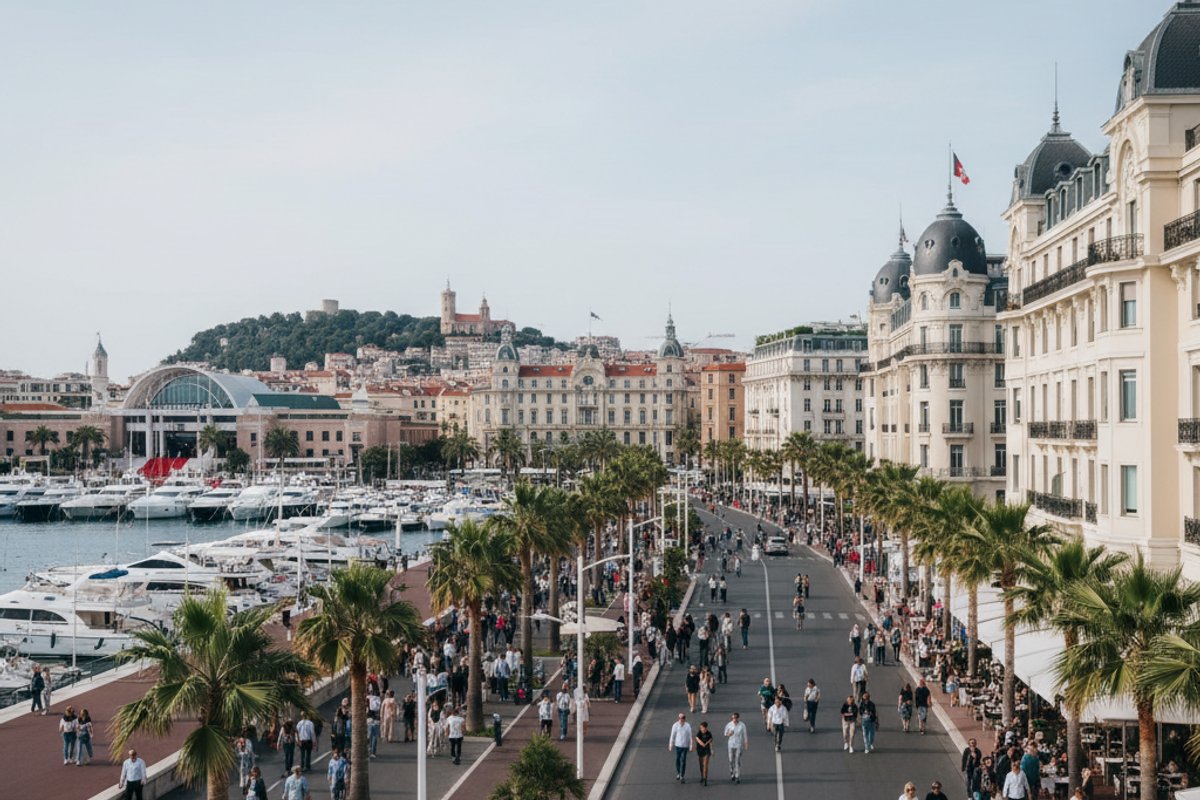
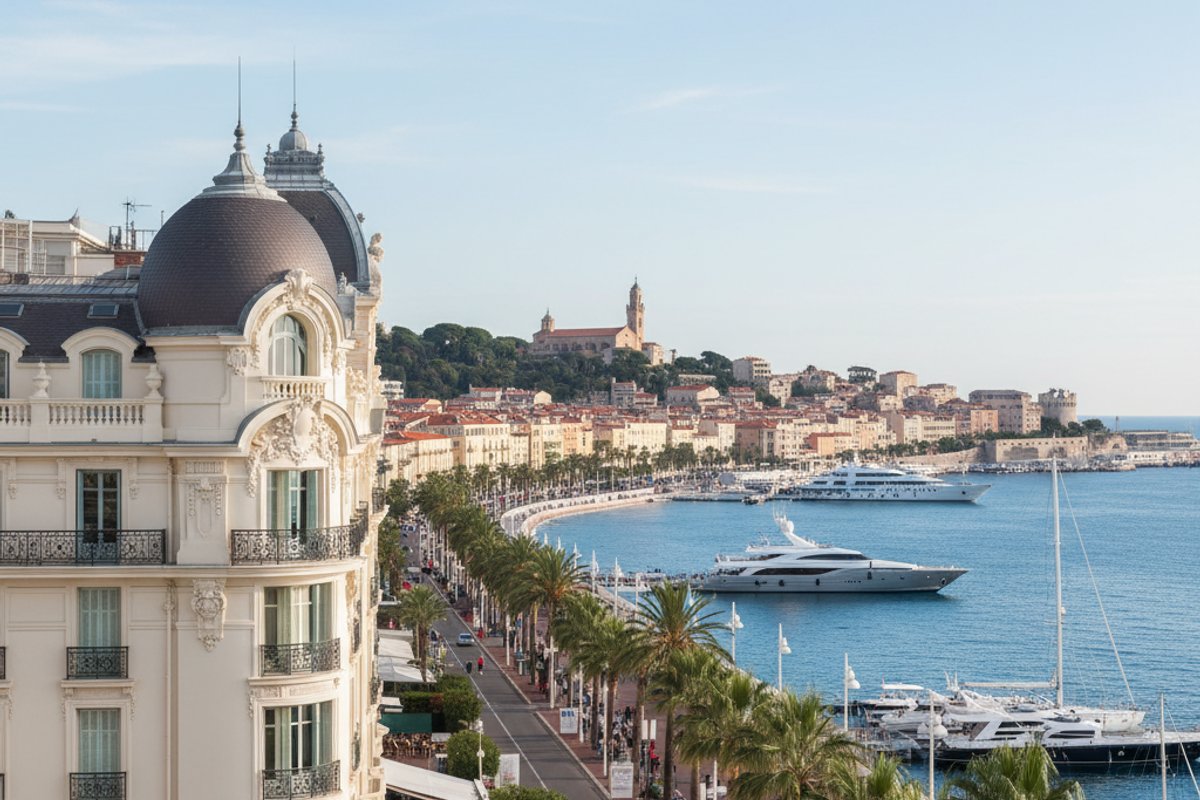
Late May after the festival ends and June are the strongest consecutive weeks of the year. Daytime sits at 23 to 27 Celsius, sea temperatures climb through 20 to 22, daylight runs to 9.30pm, and the city has settled into its summer rhythm without yet hitting peak crowding.
Hotel rates are 30 to 40 percent below July and August peaks. Restaurants are fully open with good availability, beach clubs are running, and the Iles de Lerins ferries are on full summer timetables. The only dent is the Cannes Lions advertising festival in late June, which fills central hotels for a week.
This is the window most experienced Cote d’Azur travellers recommend for a first Cannes trip. Warm enough for sea and beach, not yet crowded enough to require reservations, and visibly cheaper than July or August for comparable hotels.
High Summer: July and August
Peak summer is 28 to 32 Celsius by day, 20 to 23 at night, with reliable sunshine, a cooling afternoon sea breeze and peak sea temperatures of 24 to 26 Celsius. Rain is almost unheard of. On paper it is the classic Riviera summer.
In practice it is the most expensive and most crowded season. Hotel rates sit 50 to 80 percent above May and October levels, restaurant terraces need reservations 1 to 2 days ahead, beach clubs are often fully booked by 10am, and the August full moon weekend is close to impossible for drop in dining.
The European school holiday period runs mid July to end August and is when most French families take their annual leave. Cannes fills with French holidaymakers from Paris and the north alongside international visitors. If you have summer school holiday timing, book hotels by March and Lerins ferries by June. Otherwise consider late May, June or September instead.
Late Summer: September to Early October
September in Cannes is often better than August: 24 to 27 Celsius by day, sea temperatures still at 22 to 24, daylight to 8pm, and the summer crowd noticeably thinning from the second week as French schools go back. Hotel rates drop 20 to 35 percent from August peak.
The Cannes Yachting Festival in the second week of September fills central hotels for a week, so check dates before booking. Outside that week the city is at its most pleasant: full summer weather, manageable crowds, Lerins ferries and beach clubs still running, and restaurant availability good.
Early October continues the trend at 21 to 24 Celsius with shorter daylight and the beaches beginning to empty out. A strong second half of September or early October trip is the calmest version of the Cannes summer experience.
Autumn: Mid October to Early November
The second half of October sees daytime temperatures drop to 18 to 22 Celsius with warmer afternoons on clear days and noticeably cooler evenings. Sea temperatures fall to 19 to 21, cool but still swimmable for the committed. Rain increases through the month in short sharp spells.
Hotel rates drop another 20 percent from early September levels, and the city starts to empty of tourists. MIPCOM, the major TV industry event, fills hotels for a week in mid October, so check dates. Outside that week the city feels calm and local again.
Early November is the transition into winter: 15 to 18 Celsius by day, rain more frequent, most beach clubs closed by 1 November, and the Lerins ferry timetable reduced. Still a good window for a cultural trip focused on the old town and day trips inland, at low season rates.
For the official visitor angle on this side of the Cote d’Azur, the Meteo France Cannes forecast keeps up to date opening hours, event listings and transport changes that are worth a quick check before you set out.
You might also find these useful: Best Day Trips from Cannes, Cannes Travel Tips, Cannes on a Budget.
“Visited the last week of September and it was perfect: 26 degrees by day, 19 at night, sea still warm, hotels half the summer price and La Croisette restaurants relaxed.”
“Comfortable rooms, friendly reception and an easy walk to everything we came to see. The TER coastal train from Cannes Ville made Antibes and Monaco simple day trips.”
Check current prices at Hôtel Anna Livia
Hôtel Anna Livia in Cannes City-Centre, a solid walkable base for everything on this list.
Check Available RoomsWe may earn a small commission if you book through this link. It does not cost you anything extra.
See Hotel Anna Livia for Yourself
Browse All Photos on Booking.com →
This post contains affiliate links. We may earn a commission at no extra cost to you.
Frequently Asked Questions
See Hotel Anna Livia for Yourself
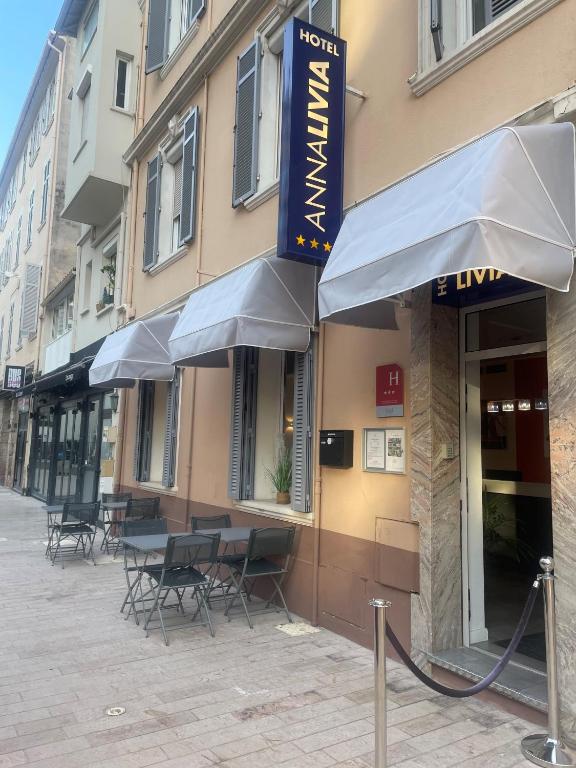
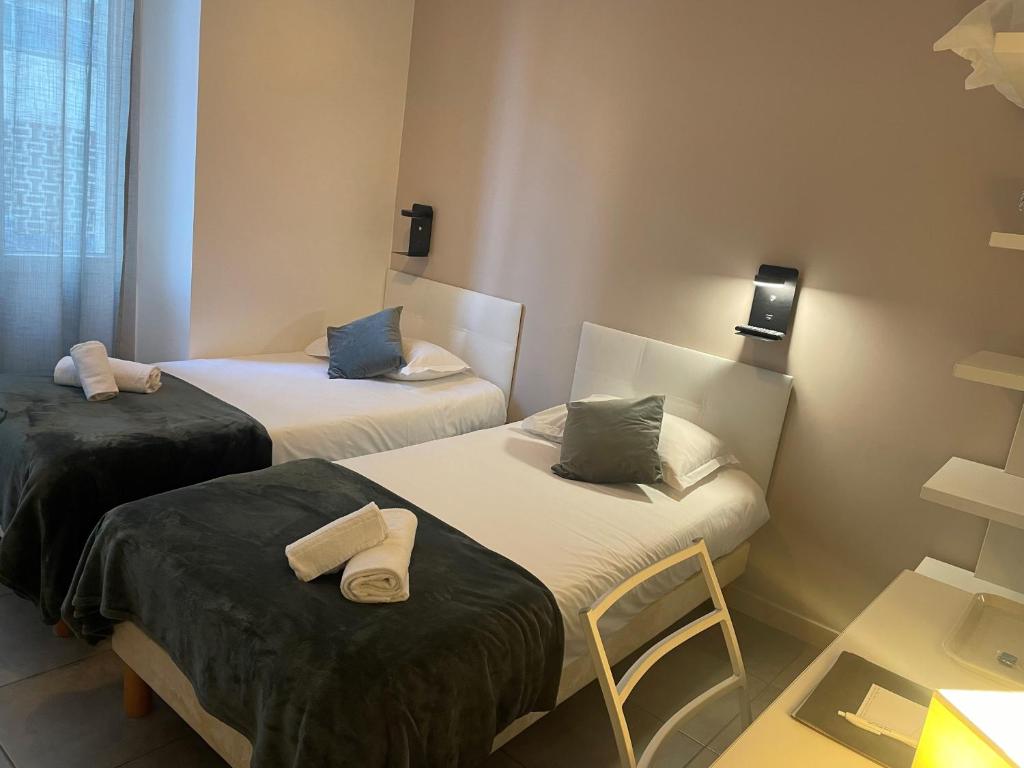
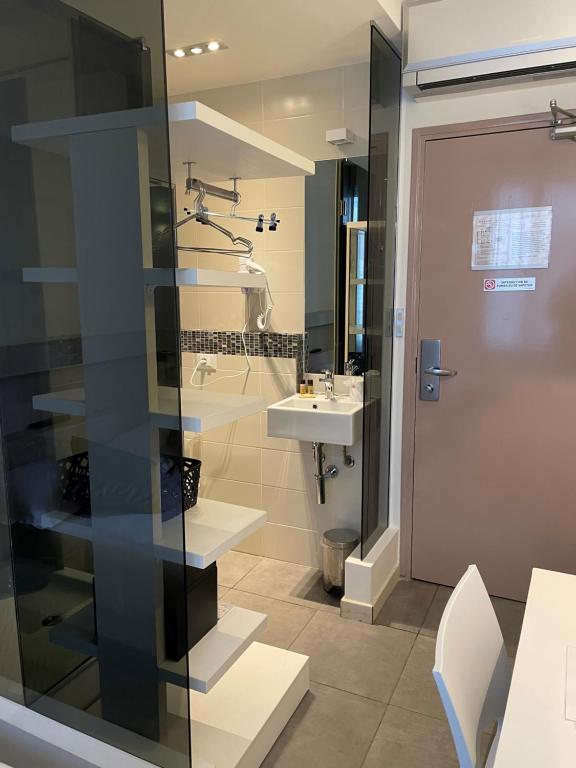
Browse All Photos on Booking.com →
This post contains affiliate links. We may earn a commission at no extra cost to you.
When is the best time to visit Cannes?
Mid May after the Film Festival through late June, and September through mid October, are the sweet spots. Daytime sits at 22 to 27 Celsius, sea temperatures climb into the low twenties, crowds are manageable, and room rates drop 30 to 40 percent from peak July and August levels.
What is the weather like in summer?
July and August average 28 to 32 Celsius with low humidity and reliable sunshine, cooled by a steady afternoon sea breeze. Night temperatures stay at 20 to 23 Celsius. Rain is rare and usually brief. Sea temperature peaks around 24 to 26 Celsius from late July through early September.
When is the rainy season?
November and March are the wettest months, averaging 70 to 90 millimetres. Rain arrives in concentrated bursts rather than grey week long spells, so even in a rainy month you typically get 4 to 5 days out of 7 dry. Winter storms can throw heavier seas at La Croisette for a day or two at a time.
Is it too hot to visit in August?
August is the hottest month but bearable by French Riviera standards thanks to the sea breeze. The bigger issue is crowding: beach clubs are fully booked weeks ahead, La Croisette terraces queue at lunch and dinner, and hotel rates sit 50 to 80 percent above May and October levels.
Does Cannes get crowded around holidays?
Yes. The Cannes Film Festival in mid May, the Cannes Lions advertising festival in late June, the Yachting Festival in September and Christmas and New Year all push hotels to capacity. Booking 2 to 3 months ahead for those weeks is sensible. Easter is the first busy fortnight of the year.
What should I pack?
Light breathable layers year round, a jumper even in summer for the evening sea breeze, swim wear from May to October, a rain shell in winter and early spring, and comfortable walking shoes with grip for Le Suquet cobbles. Cannes is a dressier city than most, so a smart evening option is worth the suitcase space.
When is the best month for deals?
November and February offer the lowest hotel rates at 30 to 45 percent under peak, with reasonably mild weather and very manageable crowds. March and early April are close behind. Skip the festival fortnight in May, which is 2 to 3 times normal rates and a different city entirely.
Is Cannes worth visiting in winter?
Yes for a calm, more local version of the city. December through February sees daytime highs of 13 to 16 Celsius, many Le Croisette restaurants are fully open, the Cannes Christmas market runs at Allee de la Liberte, and you get the Riviera light without the crowds or the summer heat.